Saturday, December 29, 2018

ISA Project 10

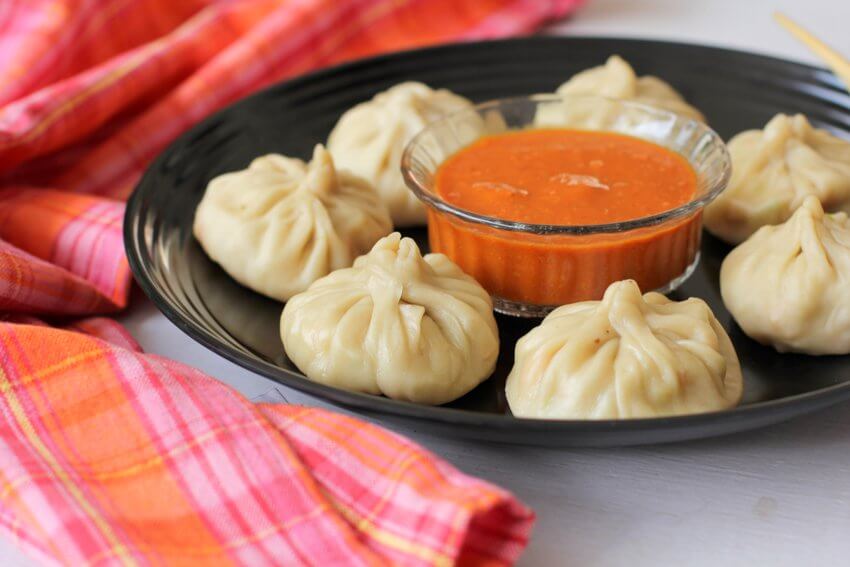
Image result for recipe of momoMomo is very popular food in Nepal. It is steamed meat or vegetables wrapped in flour dough. It is very popular in Nepal and generally eaten as snacks and tiffin. Momo can be both vegetarian and non-vegetarian.  Especially around Kathmandu, buff Momo is popular. Nepali call buff momo for buffalo meat momo. However, chicken and motton (goat) momos are equally popular in the country. Momo is eaten with Momo achar. Sesame and Tomato achar is main achar of momo.  Momo is also called Kothey and momo cha.


The main objective of this project is Preparation and Distribution of mo: mo”. And ISA stands for International School Award and our school has participated in this project. For that We have to prepared MoMO and distributed to all students of jagat mandir and teachers. We students understand the value of food with its making procedures. We are altogether 47 students and 4 teachers (Khem Sir, Deepak Sir, Kamal Sir and Aarati Mam) involved and working in this project. We made ideas to make MoMo. The theme of our project is to prepare Mo: Mo and distribute to every students, teaching and non-teaching staffs of our school and as a part of social responsibility to help orphanage.


      Orientation class:

In this class, Our project teacher Mr. Deepak Shrestha shared the plan made by him and other project teachers with us. He told that they had made plan to provide necessary materials to the orphanage.

  Group Division:
our project teachers divided us into 4 groups (A, B, C, D). We each group were assigned different tasks required to complete in this project. There are different departments assigned to each group and project teachers.

  Field visit:
One of the major parts of this project is field visit in local hotel to prepare Mo: Mo. In the hotel we went, the staffs gave us information about ingredients used in Mo: Mo, kima, pickle and also taught us how to give specified shape to Mo: Mos of different types.

Amount Collection:
We first collected the required data and information from students of Nursery to Grade 10, teaching and non-teaching staffs. Through this, we found that there are altogether 463 members in the JM family. 

Utensils Collection: 
 We each group brought the required utensils asked by our project teachers.

 Buying ingredients:
Group B and D went for shopping and bought all the required ingredients from money collected.

  Cutting vegetables:
Group A and C were assigned the task of cutting vegetables.

Dough-making:
Firstly, we mixed the Maida and water in proper proportion in 3 or 4 batas. Then, we made dough from that proportion.


After preparation of MoMo we distributed to all students turn wise. After distributing to all students we again distributed teachers. Then we all scattered and started to collect the wastes wrappers, materials and managed them properly in one place. 
 This is the life time skill that I got through this project. From the money remained our project teachers have decided to provide necessary materials to the orphanage. 
Total amount collected = Rs 33220
Expended = Rs 25720

Amount remained = Rs 7500

We distributed lactogen to the volunteers of that organization (Nepal Children Organization). There were children from 2 months to 19 years. We distributed chocolates to small children. Clothes like woolen caps, socks etc. for small children brought by Binu Mam were provided to them on her effort. After distribution, we interviewed the volunteer and went back to school. Throughout this activity, I got to know the importance of parents. 


Not only this much, we too planned to include and prepare international food with recipe and serve to all 8 graders and non-teaching and teaching staffs. After doing long research of international dishes, we selected Chole Bhature as our international dish.

Some of the amount we expended for preparation of Chole Bhature are-:

1) Departmental Store=Rs 2765
2) Vegetables= Rs 250
3) Curd= Rs 100                   
4) Masala= Rs 80
5) Catering= Rs 690
6) Plastic materials= Rs 330

   
  Total amount = Rs 4215


We with the great help and support of Aarati Mam made Chole Bhature quickly and in convenient manner. Like the preparation of mo:mo it was not difficult. We smoothly and successfully completed the preparation of Chole Bhature. This dish was really very tasty and healthy too. Rather, all students and staffs added this dish once or more than that. This dish is very appealing. That's why we will try this recipe at home as well.

At last, I would like to thank our project teachers Deepak Sir , Khem sir, Kamal sir, and Aarati mam for supporting us in this projec and also i would like to thank our school for giving us this opportunity


Friday, December 14, 2018

Experience on tour

Our tour was on 7 December. We went Dhading.  We arrive 11 o'clock from lampokhari, chabahil to dhading. In the way,  we did lots of fun in the bus. We sang a song and dance. We also ate lunch
in the bus and in 3 o'clock we reach dhading. When we reach their the people of dhading welcome us very nicely. They gave some tips and information about dhading and all. After reaching their we saw many tent. We kept our bag in one-one tent and we move to ate breakfast. After eating breakfast we click some photos. Then after, we went in the beach.  We did lots of fun in water and sand.  Also we click lots of photos. After some time we return back to the tent. We ate dinner at 8 o'clock. Then after we dance a lot. After dancing we ate barbeque turn by turn. And sir told about gost story. We scared listening that and we again went in beach at 12 o'clock. The sound of water was  very beautiful. After sometime we return back and we slept. In the morning we all wake up at 6 o'clock. And we ate breakfast. After eating breakfast we went chepang. Their also we clicked photos with all the classmates and teachers. Returning back to the tent we ate dinner and again we went beach and play   volleybal. After some time we  return Chabahil, ktm.

Friday, November 9, 2018

My Experienced of Tihar

As we all know Tihar is also known as Deepawali. Tihar is a five-day-long Nepali festival celebrated in Nepal and the Nepali people of Indian states of Sikkim including in Darjeeling district of West Bengal. It is the festival of lights, as diyas are lit inside and outside the houses to make it illuminate at night. It is popularly known as Swanti and Mha worship among the Newars and as Deepawali among Madhesis. Set in the Vikram Samvat calendar, the festival begins with Kaag Tihar in Trayodashi of Kartik Krishna Paksha and ends with Bhai Tika in Dwitiya of Kartik Sukla Paksha every year. Tihar is also the second biggest Nepalese festival after Dashain.

Kaag Tihar (day 1):
                                Kaag Tihar (Crow Festival) is the first day of Tihar festival of Nepalese, Hindu people. In this particular day crow is worshipped. Religious belief in Nepal regard crow as messenger of Yamraja, the god of death. My mother wake up early in the morning and  worship the kaag  to bring good luck in our houses. We also put tika and burn fire crackers in that day.

Kukur Tihar (day 2):
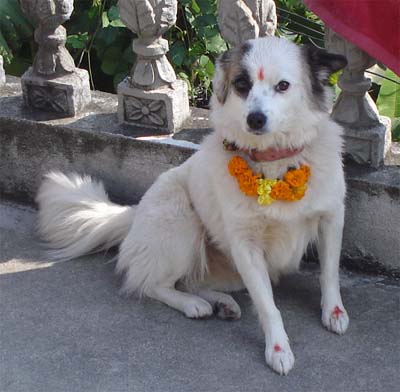
                                The second day is called Kukur Tihar (Dog Festival). Dogs occupy a special place in Hindu mythology every home or street and they get special treatment in this day. We offer garlands, tika and delicious food to dogs and acknowledge the cherished relationship between humans and dogs. Owing to this belief, this day is also observed as Naraka Chaturdashi.


Gai Tihar and Laxmi Puja (Day 3):

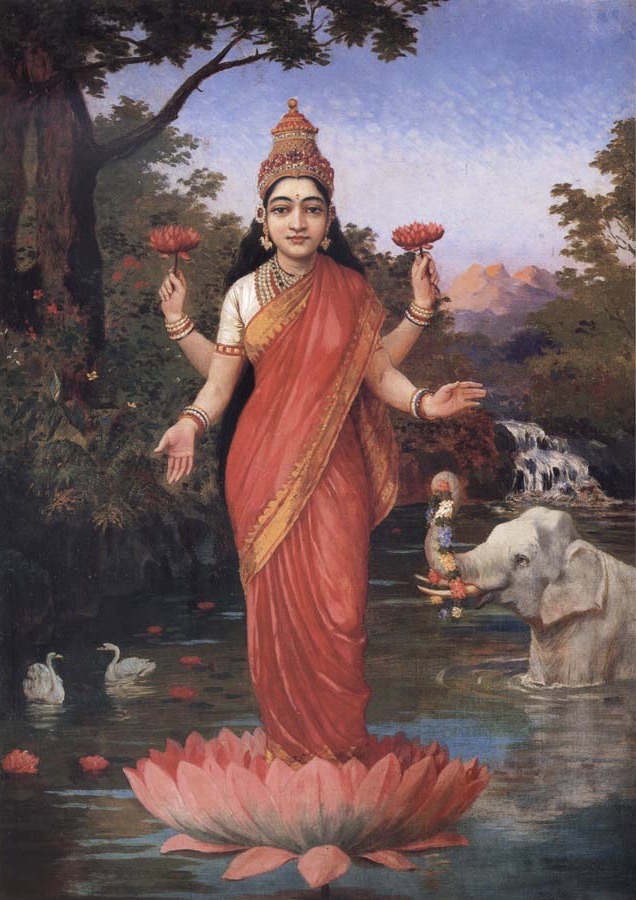
The morning of the third day is Gai Tihar (worship of the cow). Thus, on this day people show their gratefulness to the cow by garlanding and feeding them with the best grass. In our house there is no cow so we didn't worship the cow that day. But we cleaned our house and the doorways and windows. We  decorated with garlands made of Saya Patri (marigolds) and makhamali (Gomphrena globosa) flowers. In the evening we worship the Laxmi, the goddess of wealth.We were bestowed on the families by lighting oil lamps (Diyo) or candles on doorways and windows to welcome prosperity and well being. At night the girls and boys came in our house to play bhailo. We enjoyed by looking them.


Govardhan Puja (Day 4):

                                                                 On the fourth day of Tihar, there are three different known pujas, depending on the people's cultural background. Mainly ox is worshipped in this day by giving different foods. It is observed as Goru Tihar or Goru Puja (worship of the oxen). This day also we didn't worship.


Bhai Tika (Day 5):

                                                The fifth and last day of Tihar is called Bhai Tika. It is believed that Yamraj, the God of Death, visited his sister, Goddess Yamuna, on this day during which she applied the auspicious tika on his forehead, garlanded him and fed him special dishes. Me and my sister put a seven different colours tika on the foreheads of our brothers. And also I ensure  long life and thank them for the protection they provide. We garland our brother together. They also put me tika and gave gift. Also we eat delecious meals. I have done lots of fun with them and clicked some photos too.

Tuesday, October 23, 2018

Experienced about Dashain

Hello!! Today I am  going to write my experienced on Dashain. As we all know Dashain Festival is one of the most important Hindu festival which is celebrated all over Nepal delightfully. This festival usually falls in the month of September or October and is actually celebrated for 15 days. It starts from bright lunar fortnight (Shukla Paksha) and ends on the day of full moon (Poornima) according to Nepalese annual calendar. Hindus greatest festival, Dashain honors a great conquest of the gods over the evil demons. The symbol of power, Goddess Durga is worshiped during this festival.I also celebrate this festival with my family and relatives. The time during holiday I spend with my family is very memorable. 

Ghatasthapana:

                            The first day of Dashain is called Ghatasthapana, which literally means pot establishing. On this day the kalash, (holy water vessel) symbolising goddess Durga often with her image embossed on the side is placed in the prayer room. Me and my mother made a small rectangular sand block and we put kalash in the centre. Also we filled kalash with the holy water and covered with cowdung on to which seeds are sown. The room where the kalash is established is called 'Dashain Ghar'. 

Fulpati:

            As days passes by regular rituals are observed till the seventh day. The seventh day is called 'Fulpati'.
We brought Fulpati in the house.

Maha Asthami:

                          The eighth day is called the Maha Asthami. The fervour of worship and sacrifice to Durga and Kali increases. On this day many orthodox Hindus will be fasting. Sacrifices are held in almost every house through out the day. The night of the eighth day is also called 'Kal Ratri', the dark night. Hundreds of goats, sheep and buffaloes are sacrificed at the mother goddess temples. The sacrifice continues till dawn. While the puja is being carried out great feasts are held in the homes of common people where large amount of meat are consumed. We also sacrifice He-goat in this day.

Nawami:

               The ninth day is called Nawami.  In this day, Temples of mother goddess are filled with people from dawn till dusk. Animals mostly black buffaloes are slaughtered to honour Durga the goddess of victory and might and to seek her blessing.

Dashami:

                The tenth day is  called the Dashami.  On this day we take tika and jamara from our elders and receive their blessing. We visit our elders in their home and get tika from them while our younger ones come to our home to receive blessing from us. The importance of Dasain also lies in the fact that on this day family members from far off and distant relatives come for a visit as well as to receive tika from the head of the family. This day I played swing with my family and also I had done lots of fun with them. I clicked some photos too.

Wednesday, September 26, 2018

Write some differences between the third generation and the fourth generation of computers

Third Generation of computer


  • They used integrated circuit as the main electronic component.
  • They were more accurate and reliable than previous generation computers.
  • They had larger storage capacity than second generation computers.
  • They were used for various commercial application all over the world.

Forth Generation of Computer


  • They used microprocessors as the main electronic component.
  • They are highly reliable and accurate than the third generation of computers.
  • They have larger storage than the third generation of computers.
  • They are used for all scientific, engineering and commercial application.

Tuesday, September 11, 2018

Teej

                                               
Teej festival is celebrated by Nepali Hindu women throughout the country today, 8 September, 2013. Teej is a religious, social and cultural festival in Nepal in which the married women visit their parent’s home and celebrate Teej with their mother, sisters and friends. Married women take a full day fast for their husband’s wellness. Unmarried women and girls also take fast on Teej and pray to get a nice husband.  Modern women take fruits and liquid in the evening after their puja (worship) while some women live without any food and drops of water for 24-hours on this day. As women worship Lord Shiva on Teej, the colorful women fully decorated with ornaments and bangles gather at the Shiva temples. The Pashupatinath temple in Kathmandu is highly visited by the Hindu women in Teej where they worship Pashupatinath (Shiva) and perform Teej dance. Teej puja takes place also at home. Some women do puja both at the temple and home.  Besides its religious meaning, Teej is a cultural festival in which women dance and sing songs at home, temples and neIn Punjab Teej is known as teeyan. Women gather at one place and perform Gidda. Married women visit their parents’ house and receive gifts. Haryali Teej is famous festivals of Haryana. Girls apply henna to their hands and are exempted to do any household work. Boys fly kites throughout the day. In Rajasthan women wear green colored clothes and play in swing. Traditional ghevar sweet is made and distributed among the family and friends. In Marwari community of Rajasthan women wear bangles and bindis. Young girls receive gifts from their family and friends. It is customary that mother in law should give a gift to new daughter in law. Generally, a married woman would go to her parents’ house for Teej and come back after Rakhi. She would take sweet and salt food with her. Sattu, a special sweet is made to unmarried girls which they can eat only after seeing moon. Haryali Teej coincides with 'Jhulan Utsav' or 'Hindola Utsav' which is related with Krishna and Radha, and widely celebrated in Uttar Pradesh. The festival is celebrated for 13 days until Krishna Janmashtami.arby public places.     

Friday, September 7, 2018

My Father

My father name is Sagar Shrestha. He is 38 years old. He do the job of cook. He works hard to earn money for us. He is very responsible person.
He fulfills our every necessity of life. He is very loving, caring and god-fearing. He lends us a helping hand in our studies. He is man of principles. My father is my real hero and ideal person of my life. He always understands my feelings and sadness. He supports me in all my problems and guides me. My father is kind and generous. If anyone approaches him with a genuine need he helps them to whatever extent he can. And he never grudges any help he offers. My father is time conscious and punctual. My father is my teacher and my friend. He teaches me to do many interesting things. My father is hard working and a perfectionist. I always try to obey what he tells me to do. When he scoldsme for the mistakes I do I know it is for my good. And I try to correct myself. 
I want to be like my father and be sucessful in achieving my goals. I learn a great deal from my father. I love him and am grateful to him for everything he does for me and all that he teaches me. But I know I can never repay him for all the he has for me. But  I want to make my father proud of me, and I am willing to work hard for this. And I am very thankful to have like this caring and loving father.